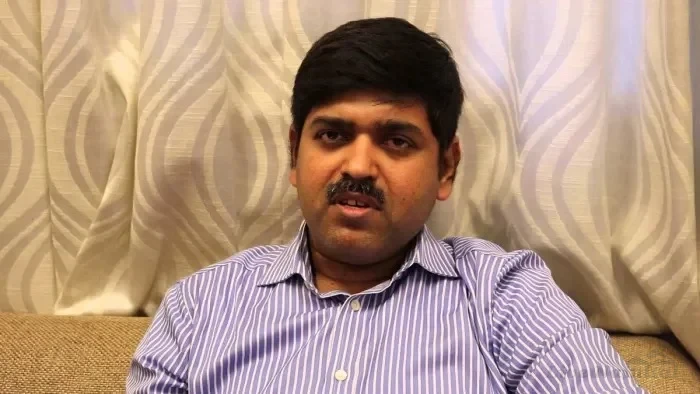

The Uttarakhand government has addressed concerns surrounding the proposed 1320 MW thermal power purchase process, assuring that the entire procedure has been carried out with complete transparency. Principal Secretary of Energy, Dr. R. Meenakshi Sundaram, clarified that the process has been conducted in accordance with established rules, technical requirements, competitive bidding procedures, and approval from the Uttarakhand Electricity Regulatory Commission (UERC).
According to Dr. Sundaram, allegations of irregularities in the process are baseless and that the objective of the power purchase is not to benefit a particular company but to secure the state’s long‑term and growing power requirements. The Ministry of Power, Government of India, issued a Model Bidding Document in 2019, which serves as a general model document. Dr. Sundaram emphasized that each power project’s technology, location, fuel availability, transportation costs, and other circumstances are unique, and therefore, suggestions and objections received from bidders during the tender process were examined from a technical and practical perspective.
The Principal Secretary further explained that five companies were qualified in the Request for Quotation (RFQ) stage, and the Request for Proposal (RFP) process maintained competition. The final selection will be made based on the total tariff received during the competitive bidding process. Dr. Sundaram stated that the 1320 MW power arrangement is proposed to meet the state’s long‑term base‑load requirements, ensuring continuous, adequate, and reliable power supply to consumers in the future.
The government also clarified that there is no restriction on setting up a plant in Uttarakhand. The tender document allows companies to locate the plant at any suitable site in the country, taking into account fuel availability and transportation costs. Dr. Sundaram added that if a company proposes to set up a plant in Uttarakhand and offers power at a competitive rate, it can participate in the process. Transmission costs and related expenses for delivering power from the plant to Uttarakhand will be determined according to the tender and tariff conditions.
Regarding the Fixed Charge limit, Dr. Sundaram noted that the Model Bidding Document originally capped Fixed Charge at 70 percent, but based on actual costs and site‑specific factors, the limit was raised to 75 percent to allow a more flexible fuel charge. He emphasized that power price evaluation is based on the total tariff, which includes both fixed and variable components. The project timeline has been set, with the first unit expected to be operational within 42 months and the second unit within 48 months, to meet the state’s power needs as swiftly as possible.