

Haldwani has become the epicenter of a significant political and social discourse, where citizens, youth, and representatives from various social organizations have united to voice strong opposition to several prevailing legal and administrative frameworks. The focal points of this collective dissent are the newly implemented regulations by the University Grants Commission (UGC), the system of caste-based reservation in education and government employment, and the Scheduled Castes and Scheduled Tribes (Prevention of Atrocities) Act. The organizers have explicitly called for the complete withdrawal or abolition of these rules, arguing that the current structures hinder equitable progress and require urgent constitutional review. This movement is not merely a protest but a structured demand for policy reform, aiming to shift the narrative from identity-based privileges to meritocracy and economic need-based support.
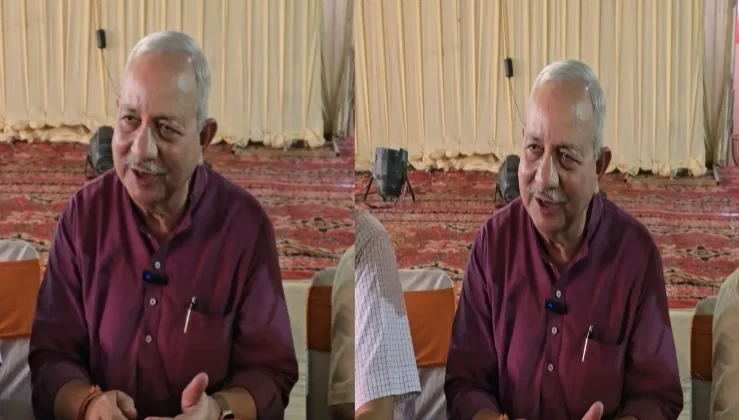
Prakash Harbola, a key voice in the movement, emphasized that discussions regarding education, employment, and the justice system must remain strictly within the constitutional framework. He argued that the primary objective should be to provide equal opportunities to the youth and to assist individuals who are economically and educationally disadvantaged. Harbola stressed the necessity of including these marginalized voices in the policy-making process, suggesting that true social justice lies in empowering the vulnerable through transparent mechanisms rather than rigid caste-based categories. The organizers have proposed alternatives to the existing reservation system, advocating for scholarships, improved educational infrastructure, and accessible resources for competitive examination preparation as more effective means of uplifting the underprivileged.
The debate has intensified around the UGC’s new guidelines, with organizers demanding their immediate reversal. They argue that the current provisions do not ensure impartial resolution of complaints from students, teachers, and staff in higher education institutions. There is a strong call for establishing clear accountability within these institutions and ensuring that all stakeholders are given a fair platform to express their grievances. Adding legal weight to the protest, Purohan Singh Raut, former vice-president of the High Court Bar Association, raised serious objections to Section 3C of the UGC Act. Raut described this section as unconstitutional and alleged that political interventions have exacerbated caste and religious discrimination in society, further justifying the need for a comprehensive review of educational laws.
Simultaneously, the movement has addressed the complex issue of the SC/ST Act, demanding its abolition while simultaneously calling for a robust system of impartial investigation in criminal cases. Laxman Singh Lamgadia emphasized that while genuine victims must be protected and delivered justice, the current framework often leads to the misuse of laws against innocent individuals. He urged for a balanced approach that safeguards the rights of the accused while ensuring that no real victim is left without protection. The organizers clarified that their objective is not to incite hatred against any caste or community, but to foster a peaceful, constitutional dialogue aimed at social cohesion and fair policy reform.
The ongoing meetings in Haldwani have seen active participation from prominent figures, including Bhagwan Chandra Pant, Satyendra Tomar, Yogendra Bist, and Bhuvan Chandra Bhatt, alongside the aforementioned leaders. The agenda for these gatherings extends beyond immediate grievances to include the formulation of future strategies and the outline of upcoming programs. By inviting views from social organizations, students, and citizens, the movement aims to build a broad-based consensus on how to navigate these sensitive issues through lawful and democratic channels, setting the stage for a potential shift in regional political and social dynamics.