

**
Chamba, a bastion of Uttarakhand politics, has long been the barometer of the state’s governance. Whoever wins this seat, whether from the Congress or the BJP, typically ascends to the premiership. The 2027 assembly elections have thrown a fresh curveball: pre‑SEC and SEC voter‑list revisions have pruned 11,575 names from the Chamba roll, a figure that eclipses the 5,403‑vote margin that decided the 2022 contest. This dramatic reduction has rattled every major party, forcing them to rethink micro‑level calculations.
The seat’s electoral history underscores its strategic weight. In 2002, Congress’s Hemesh Kharkwal captured Chamba, setting the stage for a Congress government. Five years later, BJP’s Bina Maharana unseated Kharkwal, and the BJP ruled until 2012, when Kharkwal reclaimed the seat by defeating BSP’s Madaan Singh, bringing Congress back to power. In 2017, BJP’s Kalash Chand Ghatotdi toppled Kharkwal by a staggering 17,360 votes, cementing BJP’s hold. Ghatotdi retained the seat in 2022, winning by 5,403 votes, and the BJP again became the state government. However, the 2022 election saw Chief Minister Dhami lose the Khatiama seat; Ghatotdi relinquished Chamba to allow Dhami to contest, and Dhami triumphed by over 55,000 votes in a single‑cornered battle.
The demographic tapestry of Chamba shapes its electoral calculus. Roughly 55‑60 % of voters are Rajputs (Thakurs), 25‑30 % Brahmins, and 12‑15 % Scheduled Castes. Voter sentiment also splits geographically: residents of the plains and semi‑hill areas like Tunkpur‑Banbasa differ from those in the pure hill blocks of Chamba and Pati, especially on development priorities. Local issues—road connectivity, improved healthcare in remote villages, employment for youth, and the development of religious sites such as Purnagiri Dham and Devdhar—remain perennial campaign pledges. The long‑awaited Tunkpur‑Bageshwar rail line also tops the agenda.
The 11,575 votes removed from the list could tilt the 2027 outcome. If the deletions cluster in the plains, BJP’s traditional Rajput base may feel the pinch. Conversely, if the cuts are concentrated in hill districts, Congress’s cadre network could suffer. In either scenario, the seat’s winner will now be the candidate who can marshal genuine support, not just a stale roll.
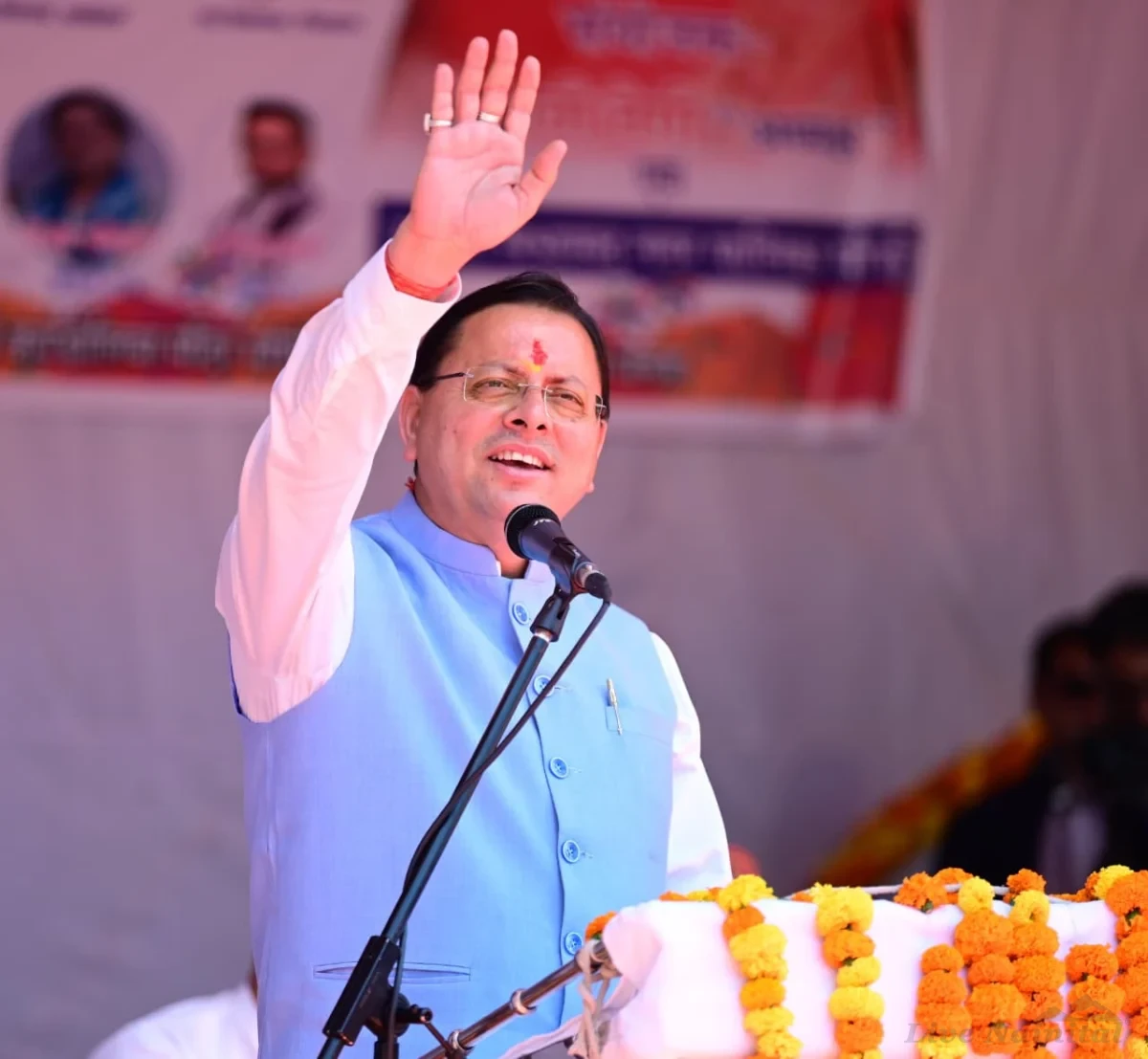
Ticket dynamics are already heating up. The BJP’s obvious aspirant is CM Dhami, who would keep Chamba as a high‑profile platform. Should Dhami seek another seat, influential local figures from the Ghatotdi family or prominent Brahmin leaders could vie for the nomination. Congress’s main contender remains veteran MLA Hemesh Kharkwal, though the party is also courting young leaders and district presidents to broaden its appeal.
In sum, the 11,575‑vote cut has become the biggest “ex‑factor” for Chamba’s 2027 contest. Parties must recalibrate their micro‑level strategies, ensuring that the candidate who wins is truly backed by the electorate rather than a relic of an outdated voter list. The coming months will reveal whether Dhami’s gamble pays off or whether the seat’s historic pattern of mirroring the state’s political fortunes will hold once again.