
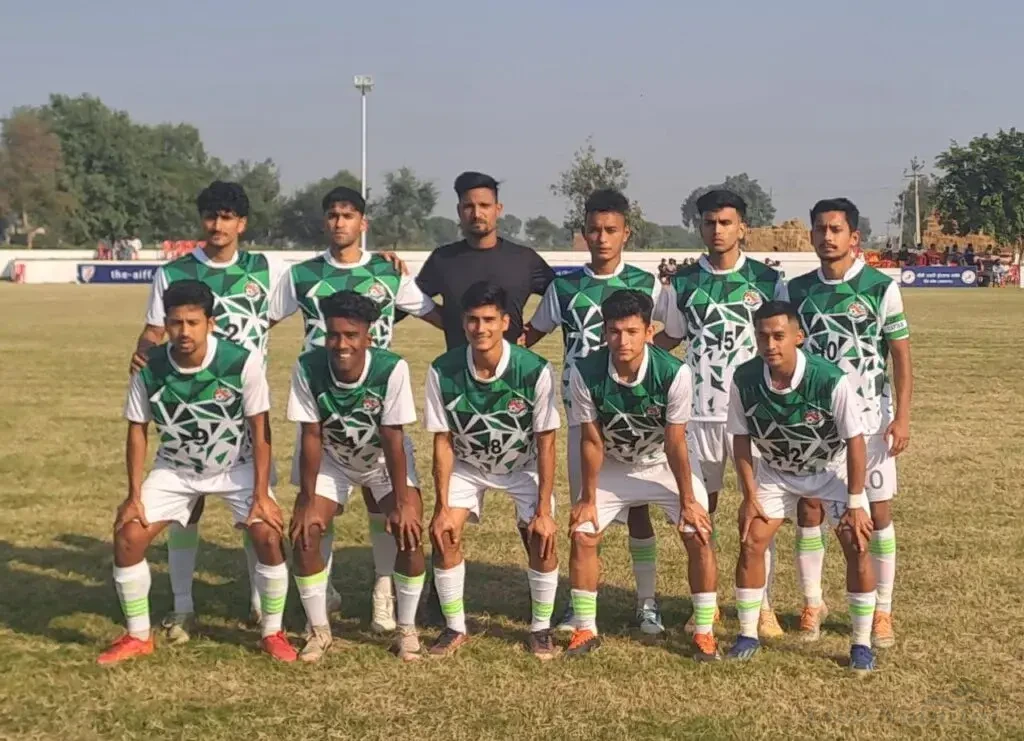

The All India Football Federation’s (AIFF) ambitious initiative to identify and nurture ‘Players of Special Outstanding Merit’ (SOM) has encountered a significant hurdle, raising serious questions about its strategic implementation and outreach. Despite the federation’s efforts to create a dedicated list for high-potential talents, the response from the footballing community has been notably weak. When the AIFF invited applications for the SOM list on July 16, 2026, it anticipated a robust participation. However, the reality proved starkly different, with only 35 male players and a mere 9 female players submitting their applications. This disproportionately low number suggests a critical gap between the federation’s vision and the ground-level reality, prompting critics to label the initial phase of the initiative a flop.
In an attempt to salvage the women’s category, the AIFF issued a new notification on October 6, 2026, extending the deadline for female players to apply until October 10, 2026. While the deadline for male players has already closed, the extension for women is accompanied by relaxed eligibility criteria. Specifically, the AIFF introduced additional conditions for Tier 11 inclusion, allowing applicants who have represented their member associations in at least five matches of any age group under the National Games, National Football Championship (NFC), AIFF, Indian Women’s League, or Indian Women’s League 2. All other conditions outlined in the original July 16, 2026 notification remain in force, highlighting a targeted effort to boost female participation after the initial poor turnout.
The dismal response rate has also exposed significant administrative shortcomings within the AIFF and state football associations. Observers argue that the federation failed to effectively communicate the SOM policy to retired and capable players. Notably, the AIFF did not organize any basic online meetings or webinars to explain the policy and eligibility criteria to former players, leading to widespread confusion. This lack of proactive engagement has left many potential candidates unaware of the opportunity, resulting in a scenario where the message simply failed to reach the intended audience.
Furthermore, the low application numbers have fueled allegations of internal bias and procedural irregularities. With 36 units associated with the AIFF, the fact that only 35 men and 9 women applied has led to suspicions that applications were deliberately ignored or filtered out, possibly because the players were not on the “friend list” of influential federation figures. This perception of nepotism over merit threatens to undermine the credibility of the SOM initiative, suggesting that the process may be more about personal connections than genuine talent identification.
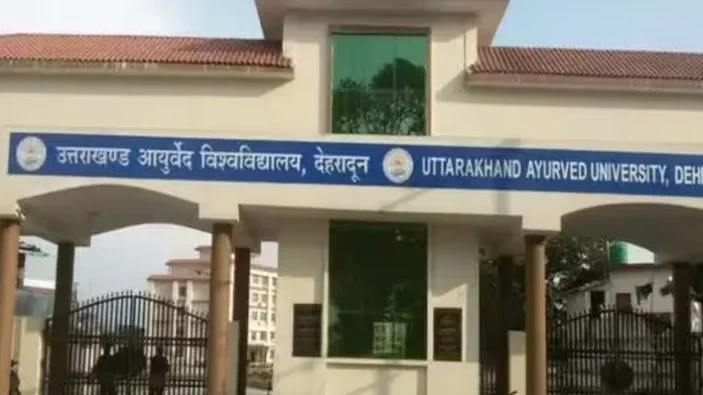
Beyond the SOM controversy, the AIFF is facing scrutiny over financial transparency and double-dipping accusations. Recent Right to Information (RTI) disclosures have revealed that 60 clubs in Uttarakhand are being charged a registration fee by the state association, despite already being registered with the AIFF. Questions have been raised regarding the legality of these collections: if a club is registered with the AIFF, how can the State Football Association charge them again? Similarly, if registered with the State Association, why are District Associations levying fees? The standard club registration fee for the Uttarakhand Football Association is listed at 500 rupees, yet clubs are reportedly being asked to pay 10,000 rupees. This discrepancy has sparked a broader debate about the accountability and financial practices within the Indian football administrative structure.