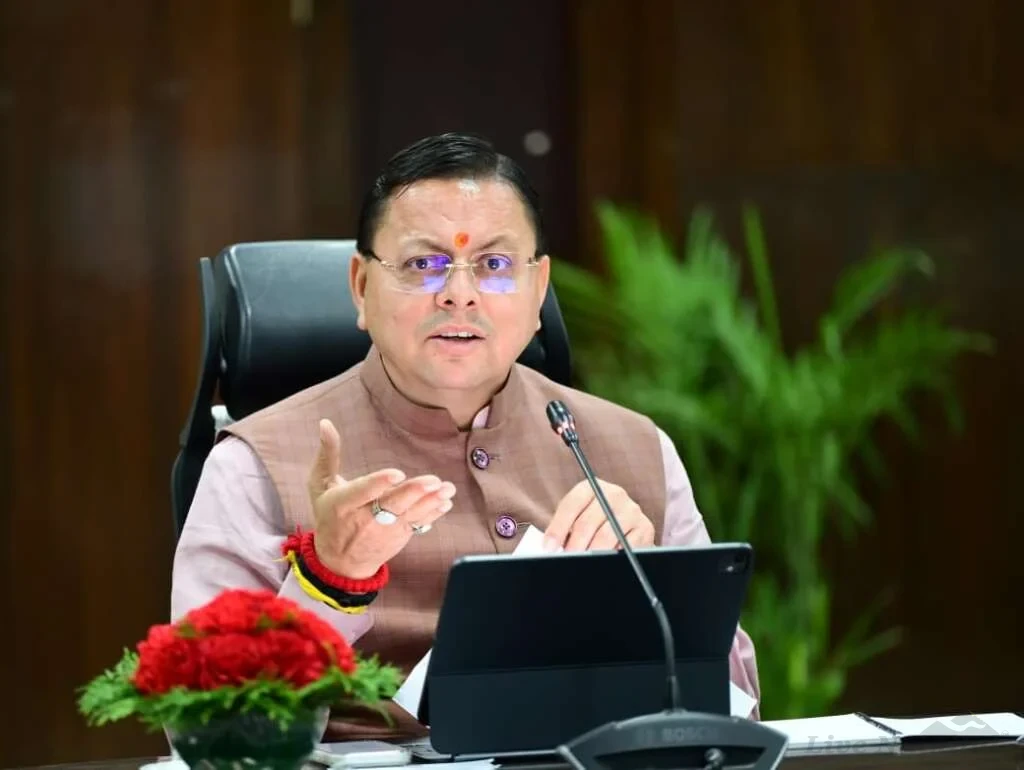

In a landmark move that signals a significant shift in administrative engagement, the Government of Uttarakhand is set to convene its cabinet meeting for the first time in the home district of Chief Minister Pushkar Singh Dhami, Champawat. This historic session is scheduled to take place on October 4, breaking away from the conventional practice of holding such high-level deliberations exclusively in the state capital, Dehradun. The venue for this pivotal gathering has been selected as the National Hydropower Corporation (NHPC) campus in Banbasa, a strategic choice that underscores the region’s importance in the state’s energy and developmental landscape. By bringing the cabinet to Champawat, the administration aims to not only honor the political heartland of the Chief Minister but also to address local grievances and developmental needs with direct ministerial oversight.
According to the official program released by the Secretariat, the cabinet meeting is slated to commence at 11:00 AM on October 4, under the direct chairmanship of Chief Minister Dhami. The agenda for the session is expected to be robust, covering a wide spectrum of critical state-level issues alongside specific proposals from various government departments. While the precise list of proposals remains under final review by the relevant ministries, the session is anticipated to tackle both policy-making matters and development plans that are directly linked to public welfare. This approach reflects the government’s commitment to ensuring that decision-making processes are inclusive of regional perspectives, allowing for a more nuanced understanding of the challenges faced by different parts of Uttarakhand.
The significance of this event cannot be overstated, as it marks the inaugural cabinet session in Champawat, a district that holds considerable political and cultural weight for the current leadership. In the run-up to the meeting, relevant departments have been tasked with finalizing their respective proposals, ensuring that only the most pertinent and actionable items are placed before the ministers. This meticulous preparation phase is designed to maximize the efficiency of the session, allowing for meaningful debate and decisive action on key state priorities. The move also aligns with the broader tradition in Uttarakhand of decentralizing administrative functions, where the government has periodically held cabinet meetings in various districts to facilitate direct engagement with local issues and to demonstrate a commitment to balanced regional development.
As the date approaches, attention will turn to the specific initiatives that may receive ministerial approval during the Banbasa session. Whether it involves infrastructure upgrades, social welfare schemes, or strategic policy reforms, the outcomes of this meeting could have a lasting impact on the state’s administrative trajectory. By relocating the center of decision-making to Champawat, the Dhami administration is not only making a symbolic gesture of political solidarity but also fostering a more responsive governance model. The eyes of the state will be on the NHPC campus on October 4, waiting to see which key proposals gain the green light and how this historic session shapes the future policy landscape of Uttarakhand.