

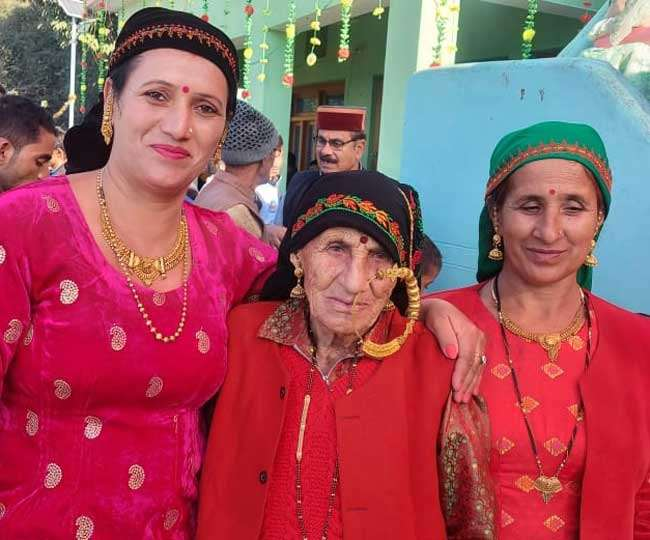

Uttarakhand is not only famous for its natural beauty, temples, and mountains, but also for its rich tribal heritage. The tribes of Uttarakhand have preserved their traditional way of life, customs, and value systems for centuries. The distinctiveness of their culture provides a unique identity to the state and entices researchers, travelers, and culture seekers from all over the country.
Who Are the Tribes of Uttarakhand?
The tribal people of Uttarakhand are the local communities who have lived in the Himalayan region for centuries. They had preserved their own traditional culture, lifestyle, language, and various earlier practices that make them different from the rest of the population. These people depend on nature, forests, mountains, and local resources for their livelihood.
In Uttarakhand, most tribal communities live in remote, high-altitude Himalayan areas or dense Terai forests. In Uttarakhand, you will find tribal people in Pithoragarh, Chamoli, Uttarkashi, and the Jaunsar Bhabhar area of Dehradun district.
The Big Five: Major Tribes of Uttarakhand
The Jaunsari Tribe: Largest in the Hills
By population, the Jaunsari are the largest tribal group in the state of Uttarakhand.

- Location: They mainly live in the Jaunsar Bawar area of the Garhwal division, which includes portions of the Dehradun and Uttarkashi districts.
- Way of Life: Traditionally, they were agriculturalists and semi-pastoralists.
- Culture: the Jaunsaris are distinct in their culture, clothing, and social traditions. Mahasu Devta is the main deity for the Jaunsari people. They celebrate their festivals with dance and music, and their well-known folk dances include Harul and Ghundiya Raso. Their traditional clothing is mainly made of wool; the men wear Jhangel (pyjama) and Chora (robe), and the women wear sharply pleated Ghagra (skirt) and Cholori.
- Unique feature: The Jaunsari people observe unusual marriage traditions, including Polyandry, but it is much less common today.
- Famous festivals: Magh Mela & Bissu festival are the famous festivals of the Jaunsari tribes of Uttarakhand.
The Tharu Tribe: People of the Terai
The Tharu community is the second-largest tribal population in the state and primarily settles in the Terai, especially in the Udham Singh Nagar region. Their cultural ethnicity is similar to Tharus found on the other side of the border in Nepal and in Uttar Pradesh and Bihar.

- Location: Terai (Udham Singh Nagar)
- Way of Life: They are mainly agriculturalists with impressive houses made of mud, embellished with wall art. Women wear colorful clothes in bright, traditional styles, along with heavy silver jewellery.
- Cultural Lifestyle: The Tharus have a rich wealth of cultural life, dialects, and customs.
- Well-Known Festivals: The famous festivals of the Tharu tribes of Uttarakhand were Jitiya, Maghi, and Hariyali.
The Bhotia Tribe: Himalayan Traders
The Bhotia tribes of Uttarakhand are a unique community who were once a major trans-Himalayan trader between India and Tibet, and is found in various locations across the upper reaches of the Great Himalayas, which are border districts of Pithoragarh, Chamoli, and Uttarkashi, as they are sometimes referred to as Shauka in the Kumaon area.

- Location: High-altitude border districts (Pithoragarh, Chamoli, Uttarkashi).
- Way of Life: Traditionally, their lifestyle was focused on the Indo-Tibetan trade until 1962, when they switched to pastoralism, limited farming, and the collection of medicinal plants. The Bhotias lead a transhumant lifestyle where they migrate with their herd to higher altitudes (Bugyals) in summer and then descend to lower altitudes in winter.
- Culture: The Bhotias have a syncretic religion composed of Hinduism and Buddhism. They also produce beautiful woven products, especially their signature pure wool hand-knot Bhotia Dann (carpets). Additionally, the Bhotias are divided into several sub-groups like Johari, Darmiya, Marchha, and Jadh.
- Festivals: The famous festival of the Bhotia tribes of Uttarakhand was Losar (Tibetan New Year).
The Buksa (Boksa) Tribe: The Foothills Community
The Buksa or Boksa tribes of Uttarakhand is mainly found in the Bhabar and Terai regions, especially Nainital and Dehradun districts, with the principal concentration in the areas of Gadarpur, Ramnagar, Bajpur, and Kashipur.

- Location: Foothills/Terai region (Nainital and Dehradun districts).
- Way of Life: The primary occupation is agriculture and animal husbandry.
- Culture: Most Buksa show Mangloid characteristics and are attributed to the Tibeto-Burman migrations. They are divided into different clans (gotra), and their society is led by a chief and a council of elders. Their traditional attire is colorful and adorned with silver jewelry.
- Famous Festivals: The Buksa tribes of Uttarakhand celebrate the Dhalaiya Puja festival with great fervor.
The Raji Tribe: The Forest Dwellers
The Raji tribe is known to be the smallest tribal group in Uttarakhand, which assists in protecting and isolating them. They are mostly restricted to remote areas of Pithoragarh and Champawat districts, and are sometimes referred to as Banrawats or Ban Raji (People of the Forest), as they have depended upon the jungle in historical times.

- Location: Remote areas of Pithoragarh and Champawat districts.
- Way of Life: Traditionally, they are hunter-gatherers and follow a nomadic lifestyle, participating in barter trade in the past. Historically, they have lived in isolation, even though the government has resettled some Raji families. They are renowned for their craftsmanship in wooden utensils, furniture.
- Unique Feature: They speak a Tibeto-Burman language, Raji or Raji Boli reflects their unique and isolated cultural identity.
- Famous Festivals: The Raji tribes of Uttarakhand celebrate Gaura, Makar Sakranti, Harela, Dashain, and Basant Panchami festivals.
Also Read this: The 5 Most Thrilling Winter Treks in Uttarakhand
Conclusion
The tribes of Uttarakhand are living proof of the state’s incredible cultural and ethnic diversity. They have maintained their ancient traditions, languages, and unique connection to the Himalayan ecosystem despite the pressures of modernization. These communities provide a glimpse of a simple and harmonious way of living, with folk art, music, and unique clothing that adds value to the whole region. They conserve the region’s social and cultural history that makes Uttarakhand unique; their presence contributes main part of the Uttarakhand history.